
Understanding the psychological traps in gambling behavior
The Illusion of Control
One of the most common psychological traps in gambling is the illusion of control. Gamblers often believe they can influence the outcome of games through skill or strategy, particularly in games that have an element of skill such as poker or sports betting. This belief can lead to a false sense of mastery, encouraging players to wager more aggressively. In reality, many games of chance, like slots or roulette, operate purely on random outcomes, making any perceived control an illusion. For those interested in online gaming, checking out the Netflix Online Casino can provide insight into various offerings.
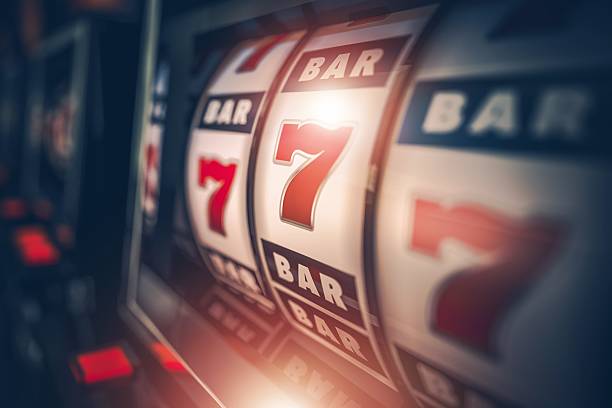
This illusion can also manifest in the gambler’s tendency to chase losses. When a player experiences a losing streak, they may increase their bets in an attempt to recover their losses. This behavior stems from a belief that their luck will eventually change, leading to a dangerous cycle of increased gambling and deeper financial consequences. Understanding this trap is crucial for gamblers to recognize when they are falling prey to it.
Moreover, the illusion of control can be exacerbated by the gambling environment itself. Casinos often design their spaces to create an engaging atmosphere that amplifies this belief. From the vibrant lights to the sounds of wins, every element serves to reinforce the notion that players can influence outcomes. Recognizing these manipulative tactics is essential for maintaining a clear perspective on the nature of gambling.
The Gambler’s Fallacy
The gambler’s fallacy is another significant psychological trap that influences gambling behavior. This cognitive bias leads individuals to believe that past events can affect the likelihood of future outcomes in random events. For instance, a person may think that after a series of losses, a win is «due» simply because it has been so long since they last won. This faulty reasoning can drive players to continue gambling, believing they are on the brink of a fortunate outcome.
This fallacy is particularly prevalent in games of chance, such as roulette or lotteries, where outcomes are inherently random. Gamblers may convince themselves that their previous experiences dictate future results, which is not only incorrect but also dangerous. This misunderstanding can lead to prolonged gambling sessions and substantial financial losses, making it essential for individuals to recognize and challenge this fallacy in their thinking.
Additionally, the gambler’s fallacy can lead to a distorted sense of timing regarding winning and losing. Gamblers may become overly optimistic after a few wins, feeling that they are on a lucky streak, or conversely, they may feel doomed after a series of losses. This emotional rollercoaster can further entrap players, leading them to chase after their losses with the hope of recovery, perpetuating a harmful cycle of gambling behavior.
Availability Heuristic and Memory Bias
The availability heuristic is a mental shortcut that relies on immediate examples that come to mind. In the context of gambling, this can lead players to overestimate their chances of winning based on memorable experiences or stories from others. For instance, if a friend shares a big win, a gambler may start to believe that such wins are more common than they truly are. This bias can distort their perception of risk, encouraging them to gamble more than they normally would.
Moreover, memory bias can play a significant role in reinforcing gambling behaviors. Gamblers tend to remember their wins more vividly than their losses, leading to an inflated sense of success. This selective memory can create an illusion of profitability, making it harder for individuals to assess their overall gambling habits realistically. Understanding how memory bias can distort perceptions is crucial for gamblers looking to make informed decisions about their gambling activities.
Furthermore, the availability heuristic and memory bias often intertwine with the design of gaming environments. Casinos are adept at creating an atmosphere that highlights winners, showcasing them to enhance the excitement and allure of gambling. This not only reinforces the idea that big wins are frequent but also makes it challenging for players to remain grounded in their assessments of risk and reward.
The Role of Emotions in Gambling
Emotions play a pivotal role in gambling behavior, often acting as both a motivator and a hindrance. Many individuals turn to gambling as a way to escape negative feelings or stress. The thrill and excitement of gambling can temporarily elevate mood, leading to a reinforcement of the behavior when individuals are feeling down. This emotional reliance can trap individuals in a cycle of gambling as a means of coping, further complicating their relationship with betting.
Conversely, positive emotions can also lead to reckless gambling behavior. A winning streak can create feelings of invincibility, leading players to take larger risks than they would normally consider. This euphoric state can cloud judgment, encouraging impulsive decisions that can result in significant losses. Recognizing the emotional triggers that lead to gambling is essential for responsible play and maintaining a healthy relationship with gaming.
Moreover, awareness of one’s emotional state while gambling can empower individuals to make better decisions. By identifying when they are playing under the influence of strong emotions, gamblers can take a step back and reassess their choices. This self-awareness can serve as a crucial tool in mitigating the risks associated with emotional gambling, allowing players to enjoy their experience without falling into harmful patterns.

Conclusion on Responsible Gambling Practices
Understanding the psychological traps in gambling behavior is essential for fostering responsible gaming practices. Players must recognize the cognitive biases and emotional influences that can affect their decisions, leading to harmful gambling habits. By being aware of the illusion of control, the gambler’s fallacy, memory biases, and emotional triggers, individuals can take steps to mitigate their risks.
It is also vital for gamblers to seek out resources that promote responsible gambling. Platforms that prioritize player safety often offer tools to manage spending and self-exclude options to prevent excessive gambling. Utilizing these resources can help maintain a healthy balance while enjoying gaming experiences.
Engaging with a reputable online casino, such as Netflix Casino, can provide a secure environment for play. Offering a variety of games, promotions, and a focus on player protection, it represents a responsible choice for those looking to enjoy gambling while being mindful of the psychological traps inherent in the activity. Embracing awareness and responsibility can lead to a more enjoyable and sustainable gambling experience.